NBA Alternate Lines Explained: Alternate Spreads and Totals for Bigger Payouts
NBA alternate lines let you customize standard spreads and totals to manage risk or target larger payouts. Unlike football, NBA scoring creates smooth, point-by-point line movements. Successful alternate line betting requires predicting exact game scripts while protecting against fourth-quarter bench substitutions, garbage-time scoring, and late-game intentional fouling.


Updated September 22, 2026
AI Summary


Every NBA game has a main spread and a main total, and behind both sit a longer list of alternate numbers at different prices. Move the spread in your favor, and the payout shrinks. Move it against yourself, and the payout grows. Used well, alternate lines let you bet a specific opinion about the margin rather than a vague one. Used badly, they are just a way to take worse bets at prettier odds. This guide covers how the pricing works and when reaching for an alternate number is actually the right call.
What NBA alternate lines are
An alternate line is the same market at a different number. If the main spread is 7.5, the alternate menu will offer the same team at 3.5, 11.5, and several points in between and beyond, each priced separately.
The trade is always the same. A safer number costs you a payout. A harder number pays more. Alternate totals work the same way, with the number moving up or down relative to the main figure and the price adjusting accordingly.
Nothing about the underlying bet changes. You are still betting on margin or on combined points. You are only choosing where to draw the line and what you are paid for drawing it there.
How alternate line pricing works
Each point you move the number shifts how often the bet lands, and the price moves to reflect that shift. The size of the adjustment depends on how common the margins around that number are.
This is where the NBA differs usefully from football. NFL margins cluster hard around 3 and 7, so moving a spread across those numbers changes the price dramatically. NBA margins are spread far more evenly, without the sharp peaks that scoring in threes and sevens creates. The result is that alternate NBA lines are priced more smoothly, point by point, with no single number carrying outsized weight.
The honest framing is this: alternate lines do not beat the main line by default. Pricing is based on the same model, and the operator's margin is comparable across the menu. Choosing an alternate number changes your variance and the shape of your payout. It does not manufacture value on its own. The value has to come from having a genuine read on the margin.
View NBA Alternate Menus
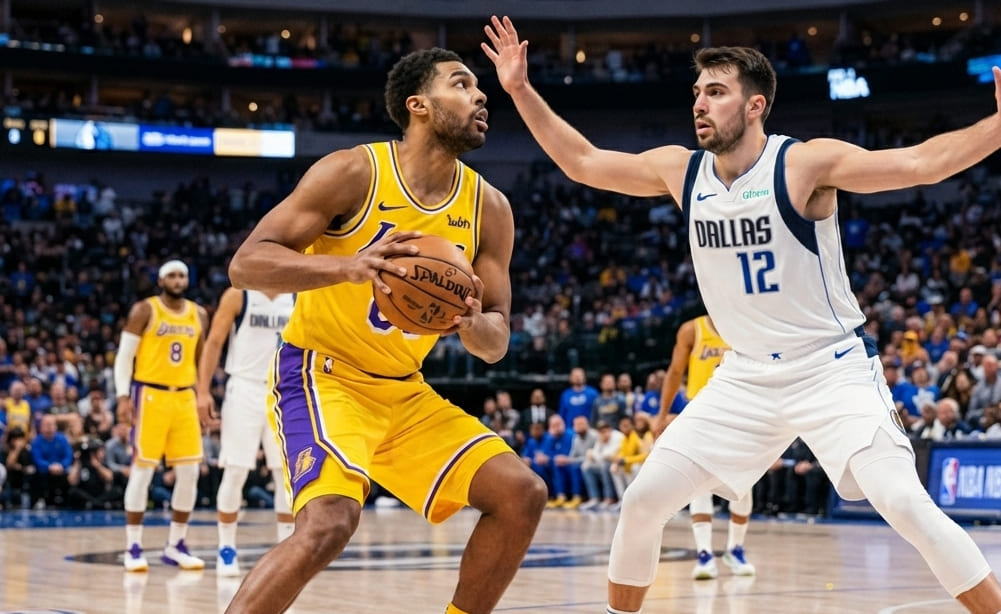
Customize your spreads and totals across tonight’s full NBA slate.
Explore Game LinesAlternate spreads in the NBA
Two situations make an alternate spread worth reaching for.
The first is conviction about a blowout. If your read is that a team is far stronger and will control the game throughout, taking them at a much larger number pays considerably more than the main line. The risk is specific and worth naming: NBA blowouts do not stay blowouts. Coaches pull starters in the fourth quarter, benches play out the closing minutes, and a twenty-point lead can finish as a twelve-point margin against a rested opponent.
The second is conviction about a close game. Taking a favorite at a much shorter number, or an underdog at a much longer one, buys real safety at a reduced payout. That is often the more sensible use of the menu, particularly in games between evenly matched teams where late fouling and free throws distort the final few possessions.
Late-game dynamics deserve attention in both cases. Intentional fouling, garbage-time substitutions, and meaningless late scoring all move the final margin in ways that have nothing to do with which team was better.
Alternate totals
Alternate totals follow the same logic, with different noise levels.
NBA totals swing on pace, shooting variance, and how the last three minutes are played. A game that is competitive to the buzzer produces a stoppage-heavy endgame with a long sequence of free throws, which pushes the total up. An early-game decision does the opposite, with the clock running freely and benches playing.
That means an alternate over often depends on the game staying close, and an alternate under often depends on it not. Think about the script rather than only the number. If you are pairing an alternate total with anything else, check the betting rules on how each market is graded before you commit.
Where alternate lines actually help
Expressing a specific read. If you believe a game finishes in a particular range rather than simply that one side is better, alternate numbers let you say so.
Managing risk with a strong opinion. Taking a shorter number at reduced odds is a legitimate way to back a view you hold firmly but not confidently enough to lay the full number.
Building parlays that can survive. Alternate legs at safer numbers give a multi-leg ticket a realistic chance of landing, though each leg still reduces the odds of collecting.
Reacting in-game. Alternate numbers appear and shift constantly once the ball is in the air, which is where live betting turns them into a genuinely different tool.
NBA alternate lines strategy and tips
Start with a margin opinion, not an odds target. Deciding you want a bigger payout and then hunting for a number to justify it is backward.
Respect the fourth quarter. Alternate spreads at large numbers live or die on whether the starters are still playing at the end.
Check the rotation. Deep benches close out blowouts differently than thin ones.
Do not treat safer as free. A shorter number is still a bet that can lose, and the reduced payout means fewer of them cover the ones that do.
Compare the whole menu. The price does not move uniformly across every point. Look at several numbers before settling.
Common mistakes to avoid
- Chasing odds instead of reading the game. Longer prices exist because those outcomes are less likely.
- Assuming a dominant team covers a big alternate number. Late substitutions compress final margins constantly in the NBA.
- Ignoring endgame fouling on alternate totals. The final three minutes of a close game can add a surprising number of points.
- Loading parlays with alternate legs. Safer legs still multiply risk when you stack enough of them.
- Treating alternate lines as an edge in themselves. They are a way to express a read, not a substitute for having one.
How to bet alternate lines at Voltage Bet
Open the NBA board, select your game, and expand the alternate spread and total menus rather than stopping at the main numbers. Decide first what kind of game you expect: a comfortable margin, a tight finish, a fast pace, or a grind. Then find the number on the menu that matches that expectation and check what it pays.
Once the game is underway, alternate numbers reset continuously. If your read on the script proves right early, the live menu often offers a better version of the bet than the pre-game board did.
Alternate lines are a precision tool. They reward bettors who have an actual view on how a game unfolds and punish those who are simply shopping for a longer price. Decide on the script first, then pick your number. Get your NBA bets in at Voltage Bet.
FAQs
What are alternate lines in NBA betting?
They are versions of the spread or total set at different numbers than the main line, each priced to reflect how often that number is reached.
Do alternate lines pay more than the main line?
Only when you take a harder number. Moving the line in your favor reduces the payout, and moving it against yourself increases it.
Are alternate lines a better value than standard spreads?
Not inherently. They are priced from the same model, so the value depends entirely on whether your read on the margin is right.
Why are NBA alternate lines priced more evenly than NFL ones?
Because NBA margins are distributed more smoothly. Football scoring concentrates margins around 3 and 7, which makes those numbers far more expensive to cross.
What is the biggest risk with a large alternate spread?
Late-game substitutions. A team can dominate for three quarters and still fail to cover a large number once the starters sit.
Can I use alternate lines in a parlay?
Yes, and safer alternate legs are a common way to build one. Each additional leg still lowers the chance that the whole ticket lands.