Character Matchups in E-Fighting: How Character Picks Shape the Odds
In competitive e-fighting, character matchups and counter-pick rules directly alter player win probabilities and sportsbook pricing. Analyzing archetype interactions, player character pools, and game-by-game picks allows bettors to evaluate true match odds. Converting these game-level reads into overall match probabilities helps spot mispriced lines in pre-match and live betting markets.


Published October 21, 2026
AI Summary


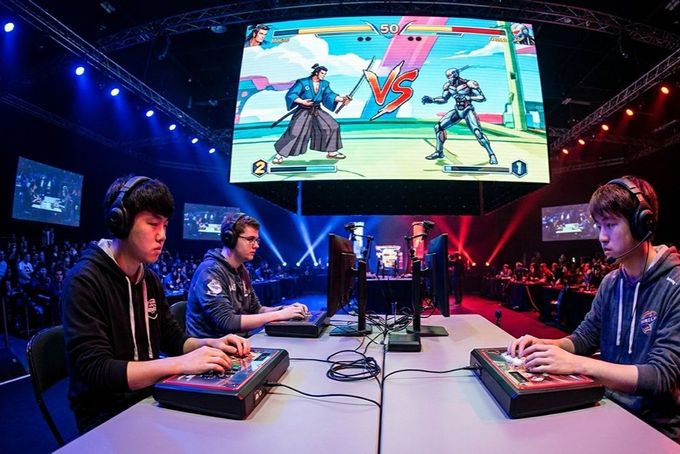
In a fighting game, the player is only half the story. The character they pick, and the character sitting across from them, can tilt a match before the first round starts. In this guide, we break down how character matchups work in e-fighting betting, how picks and counter-picks move the odds, and how to read a matchup before you put a stake down.
What a Character Matchup Means
In games such as Street Fighter 6 and Tekken 8, every character has a different toolkit. Some control space from range. Some want to get in close and grab. Some have fast, pressure-heavy offense. When two characters meet, those toolkits interact, and some pairings naturally favor one side.
That pairing is the matchup. The fighting game community describes it using ratios such as 6-4 or 5-5. A 6-4 matchup means that, between two players of equal skill, the favored character is expected to take roughly six games in ten. A 5-5 matchup is even.
Matchup ratios are community estimates, not official numbers, and players often disagree on them. Treat them as a starting point for your reading, not as facts.
Why Character Picks Shape the Odds
A sportsbook prices an e-fighting match mainly on the players: their ratings, recent form, and head-to-head record. Character picks add a second layer on top.
Character archetypes
Most rosters break down into a few broad styles:
- Zoners and keep-away characters use projectiles and long-range attacks to hold opponents at a distance.
- Grapplers have powerful throws and need to get close to do damage.
- Rushdown characters apply fast, relentless pressure up close.
- All-rounders have balanced tools and fewer hard counters.
Some archetypes clash in predictable ways. A grappler facing a strong keep-away character has a long walk before landing a throw. That's the kind of pairing the market may price differently than a mirror match.
Specialists and pocket picks
Many top players are known for one main character. That depth is a real edge, because they know every option and every matchup. Some also keep a "pocket" character, a second pick held back for specific matchups.
When a player leaves their main for a pocket pick, it tells you something. Either they think the matchup is bad enough to switch, or they're trying to surprise their opponent. Both are worth noting.
Balance patches
Developers release balance updates that strengthen some characters and weaken others. After a patch, older results and matchup estimates can quickly go stale. Prices built on pre-patch form can lag behind what's actually happening on screen.
How Counter-Picks Work During a Match
Character rules shape how a match plays out game by game. At major events such as Evo Japan, the player who takes a game must keep the same character for the next one, while the player who drops it may switch. Evo Japan's published rules for Street Fighter 6 and Tekken 8 both follow this format.
That rule creates the counter-pick. In game one, both players choose freely. After that, the trailing player gets the information advantage. They know exactly which character they'll face, and they can pick their best answer to it.
Here's why that matters for betting. A player who takes game one with a strong pick is locked into it. If their opponent has a hard counter ready, game two can look very different. That's one reason comebacks happen more often in fighting games than a 1-0 scoreline might suggest.
Online leagues and sportsbook-listed events may use different rules, so check the event format before assuming the counter-pick applies.
A Worked Example
Say Player A faces Player B in a best-of-three match. Before characters are known, the board reads:
- Player A: 1.60
- Player B: 2.40
Convert each price to implied probability by dividing 1 by the decimal odds. Player A sits at 62.5% and Player B at 41.7%. Together they add up to 104.2%, and the extra 4.2% is the book's margin.
Now Player B locks in a character widely seen as a strong answer to Player A's main. If the market agrees, the price can tighten to something like Player A 1.85 and Player B 1.95. Player A's implied chance drops to about 54%.
Turning a game-level read into a match price
Matchups work game by game, but most bets settle on the match. If you think Player A has a 55% chance in each game, the chance of taking a best-of-three is:
- 2-0: 0.55 × 0.55 = 30.3%
- 2-1: two ways to get there, 2 × 0.55 × 0.55 × 0.45 = 27.2%
- Total: about 57.5%
A longer format stretches a small edge. Over a best-of-five, the same 55% game read becomes about 59.3%. If your number beats the implied probability on the board, the bet is worth a closer look.
Strategy and Tips
No approach guarantees a return, but these habits sharpen your reads.
- Know each player's character pool. Track their main, their pocket picks, and how often they switch. A player with a deep pool is harder to counter.
- Weigh the player above the character. A great player on a weaker matchup can still beat a lesser player on a stronger one. The matchup adjusts the read; it doesn't replace it.
- Watch the character select screen. In live betting, the picks for each game give you fresh information. A counter-pick after game one can shift the price of the next game.
- Check the patch. Find out which version of the game an event is played on, and discount older results if a big balance update has landed since.
- Keep stakes steady. Fighting game matches run quickly, and it's easy to chase. Set a session bankroll and use our responsible gaming tools to set limits before you start.
Common Mistakes to Avoid
- Treating tier lists as settled. Tier lists and matchup charts are opinions, and they change with every patch.
- Overreacting to one pick. A counter-pick only helps if the player can actually play that character well.
- Ignoring the counter-pick rule. After game one, the trailing player can choose their character knowing their opponent's. Factor that into live prices.
- Using pre-patch results. Form from before a major balance update can be misleading.
- Skipping the rules. Disconnects, retired matches, and format changes can affect settlement. Read our betting rules before you bet.
How to Bet E-Fighting at Voltage Bet
Getting on takes less than a minute.
- Sign up or log in to your Voltage Bet account.
- Head to the esports section of our sportsbook and open an e-fighting match.
- Check the format, then pick your market.
- Set your stake and confirm.
The player brings the skill. The character sets the terms. Learn to read both, and power up your next e-fighting session with us. Join now.
Frequently Asked Questions
What is a character matchup in fighting games?
It's how two characters' toolkits interact. Some pairings naturally favor one side, which the community describes with ratios such as 6-4.
Can players change characters during a match?
At many major events, yes. The player who drops a game may switch, while the player who takes it must keep the same character. Rules vary by event.
Do character picks change e-fighting odds?
They can. A pick seen as a strong counter can tighten the price, especially in live markets where each game's picks are visible.
What is a counter-pick?
A counter-pick is a character chosen specifically because it matches up well against the opponent's character.
Do balance patches affect betting?
Yes. Patches change how strong characters are, so matchup estimates and older results can quickly go out of date.